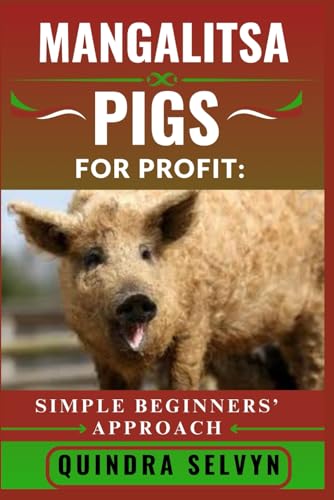
Introduction to Pig Farming
Pig farming is an integral part of agriculture in the UK, contributing significantly to food production and rural economies. As a sector, it offers opportunities for sustainable practices that can lead to better animal welfare and environmental stewardship. This blog will delve into the essentials of modern pig farming, providing insights for both new and experienced farmers.
Modern Practices in Pig Farming
In recent years, there has been a shift towards more ethical and sustainable pig farming techniques. Farmers are increasingly adopting herd management practices that align with animal welfare standards. This includes providing spacious living conditions and ensuring that pigs have access to outdoor spaces. Additionally, integrating technology such as automated feeding systems and health monitoring can improve productivity while minimizing the ecological footprint.
Community Engagement and Market Opportunities
Engaging with the local community is vital for pig farmers. It opens avenues for collaboration, knowledge sharing, and marketing. One effective method is to network with other farmers and industries, creating synergies that help broaden the market reach. Furthermore, farmers can benefit greatly from e-commerce opportunities that allow them to sell produce directly to consumers, enhancing income potential. The inception of classified platforms where livestock can be advertised also supports farmers in accessing a larger audience.
As we move forward, embracing innovation while respecting traditional farming values will shape the future of pig farming in the UK. The path to sustainability is a shared journey that involves not only responsible farming practices but also the commitment to ongoing education and community support.