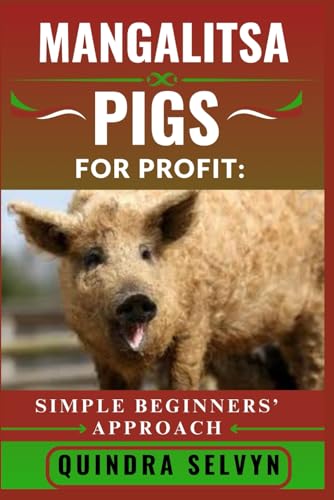
Understanding Pig Farming
Pig farming is an essential aspect of the UK’s agriculture, contributing significantly to the meat industry. With a growing demand for pork products, understanding the fundamentals of raising pigs is crucial for both aspiring farmers and those interested in sustainable agriculture practices. Pig farming involves not only the breeding and care of pigs but also the management of their environment and nutrition, ensuring health and productivity.
The Importance of Sustainable Practices
Implementing sustainable practices in pig farming can lead to increased efficiency and profitability. By focusing on animal welfare, farmers can enhance the quality of their products while addressing consumer concerns about ethical farming. Techniques such as rotational grazing and proper waste management not only benefit the pigs but also the surrounding ecosystem, creating a more balanced and natural farming environment.
Community and Education
A thriving pig farming community can serve as a valuable resource for knowledge sharing and collaboration. Establishing networks among farmers encourages the exchange of ideas, innovations, and best practices. Additionally, education plays a vital role; from workshops to online blogs that provide insights into modern farming techniques, continuous learning helps farmers adapt to the evolving agricultural landscape.
In summary, pig farming in the UK is not just about raising animals; it is a dynamic field that encompasses sustainable practices, community engagement, and education. With the right approach, farmers can improve their practices while contributing to a more sustainable future for agriculture.